
Crown & Bridges Wyke
Dental Bridges
A dental bridge is used to replace one or more missing teeth. Replacing missing teeth not only improves your ability to chew but also enhances your appearance and helps maintain the health of your teeth, gums, and jaw.
Dental Crowns
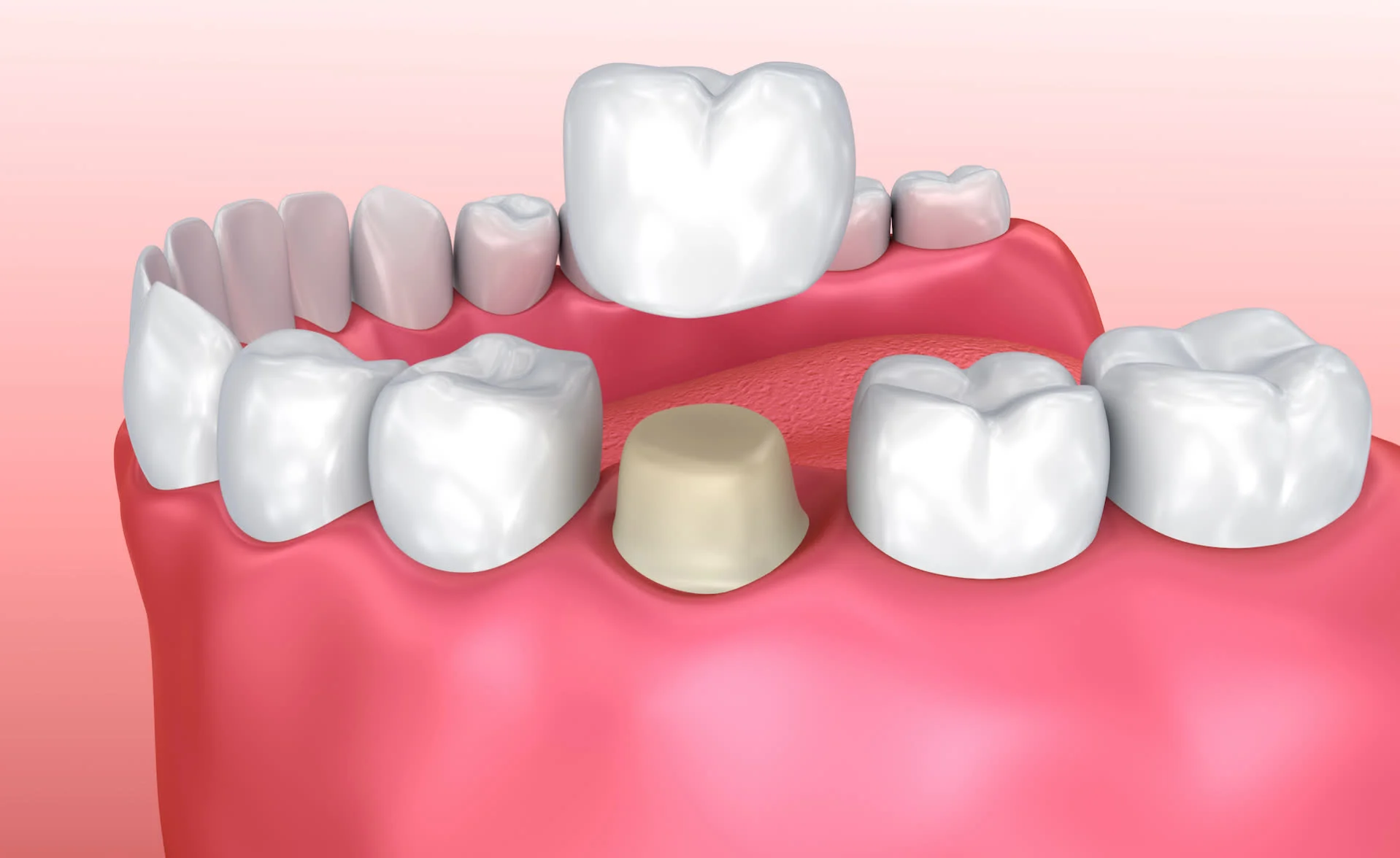
A crown is a ‘shell’ crafted by your dentist to fit over the top of a tooth, providing strength and protection. Crowns can repair damaged or decayed teeth and can also be used to enhance discoloured, misshapen, or misaligned teeth.

Benefits of Dental Bridges and Crowns
Dental Bridges:
- Restores Function: Bridges improve chewing ability, allowing for a balanced diet.
- Enhances Appearance: They fill gaps in your smile, boosting confidence.
- Maintains Oral Health: Bridges prevent surrounding teeth from shifting and help preserve jaw structure.
Dental Crowns:
- Strengthens Teeth: Crowns protect and reinforce weakened or damaged teeth.
- Improves Aesthetics: They can enhance the appearance of discoloured or misshapen teeth.
- Long-lasting Solution: Crowns are durable and can provide years of function with proper care.
Frequently Asked Questions
A dental crown is a custom-made restoration that fits over a damaged or weakened tooth to restore its shape, strength and appearance.
A dental bridge is used to replace one or more missing teeth. It is supported by the neighbouring teeth or, in some cases, dental implants.
A crown may be recommended for a tooth that is heavily damaged, weakened by decay, cracked or has had root canal treatment. It can also be used to improve the appearance of a tooth in suitable cases.
A bridge can replace missing teeth and help restore your ability to eat and speak comfortably. It can also help prevent neighbouring teeth from moving into the space left by a missing tooth.
Yes. Modern crowns and bridges can be made from tooth-coloured materials and designed to complement your natural teeth, creating a natural-looking result.
The treatment is normally carried out using local anaesthetic to keep you comfortable. Some sensitivity or tenderness may occur afterwards but should usually settle as the area adjusts.
Treatment usually involves preparing the tooth or teeth, taking impressions or digital scans, and fitting the final restoration once it has been made. Your dentist will explain the stages and expected timeframe.
With good oral hygiene and regular dental care, crowns and bridges can last for many years. Their lifespan depends on factors including oral hygiene, bite, lifestyle and the condition of the supporting teeth.
Brush twice a day with fluoride toothpaste and clean carefully around and between your teeth. If you have a bridge, your dentist or hygienist can show you how to clean underneath it effectively.
Yes, depending on the number and position of the missing teeth and the condition of the supporting teeth. For some patients, an implant-supported bridge may also be an option. Your dentist can assess your mouth and discuss the most suitable solutions.